
"Santos coffee origin"
900 article(s) found

Description of the Flavor of Brazilian Hilado Coffee introduction to the region of Brand production by Grinding Calibration
Brazil Hilado Coffee Flavor description Grinding scale method Brand production area introduction Brazil has many large farms, operating endless coffee plantations, they use machines to harvest and use machines to dry, the efficiency of automation is very high, as if coffee is a general agricultural material, completely abandoning flavor and disregard. As a result, many select coffee companies simply do not sell Brazilian beans.

The aroma of single Brazilian coffee blends with the highest grade Santos NO2 of Brazilian Santos coffee
Professional baristas please pay attention to the coffee workshop (Wechat official account cafe_style) Brazil accounts for 30% of the global coffee production, coffee is mainly produced in the southeast, mostly exported through the port of santos, hence the name Brazilian Santos coffee beans. The aroma of Brazilian coffee is very harmonious, neutral and delicate, with aromas of dried jujube, cinnamon and nutmeg.
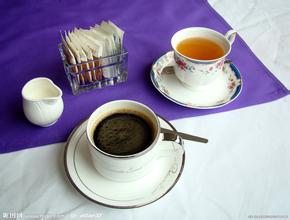
Brazilian Coffee Manor with faint grassy fragrance introduction to Fine Coffee
Brazilian coffee generally refers to coffee produced in Brazil. There are many kinds of coffee in Brazil. Like other Arabica coffee, Brazilian coffee is called Brazilian coffee Brazils to distinguish it from Milds coffee. The vast majority of Brazilian coffee is unwashed and sun-dried and is classified according to the name of the state of origin and port of transport. Brazil has 21 states and 17 states produce coffee, but among them

A brief introduction to the treatment method of grinding degree and baking degree of caramel-scented Brazilian boutique coffee beans
Treatment: sun baking degree: medium and deep baking Serrado environment in Serrado, in addition to the temperate climate, irrigation facilities enable enterprises to always maintain a stable production supply of quality. In addition, in planting, the balance of the whole environment, sprinkling herbicides, nourishing weeds that are enough to spread chemical fertilizers, daring to fill the land, harvesting weeds rich in humus, producing coffee trees will be reduced, while nature's

Description of Brazilian Coffee Flavor introduction to the taste of high-quality coffee beans
Brazilian coffee generally refers to coffee produced in Brazil. There are many kinds of coffee in Brazil. Like other Arabica coffee, Brazilian coffee is called Brazilian coffee Brazils to distinguish it from Milds coffee. The vast majority of Brazilian coffee is unwashed and sun-dried and is classified according to the name of the state of origin and port of transport. Brazil has 21 states and 17 states produce coffee, but among them

Caramel-flavored Brazilian boutique coffee beans planting situation, geographical location, climate and altitude
Products: yellow bourbon grade: 2 d/300gr, 17-18 mesh height: 1200m 1380m treatment: sun roasting degree: in deep roasting Brazil there are many large farms, operating endless coffee plantations, they use machines to harvest, and use machines to dry, the efficiency of automation is very high, just like coffee as a general agricultural material, completely disregarding flavor and disregard.

Sweet and bitter Brazilian sirado coffee beans Flavor Taste Aroma Description Introduction
Brazil has many large farms, operating endless coffee plantations, they use machines to harvest, and use machines to dry, automated efficiency is very high, as if coffee as a general agricultural material, completely abandoned flavor and disregard. As a result, many specialty coffee companies simply do not sell Brazilian beans, lest they demean themselves. Brazil's Santos occasionally appears in select coffee shops

Introduction to the description of the flavor of the varieties and the taste characteristics of Brazilian coffee with extremely smooth entrance
General agricultural materials, completely abandon the flavor and disregard. As a result, many select coffee companies simply do not sell Brazilian beans so as not to demean themselves. In select coffee shops, Brazil's santos coffee still appears occasionally, but it is Bourbon Santos (bourban santos) rather than low-cost flat bean Santos. Santos is a descendant of the Bourbon species, so the port of Santos exports

Coffee from Brazil
Although Brazil produces 30 to 35 percent of the world's coffee annually, ranking first in the world, no Brazilian bean is considered top-class coffee. Coffee trees abound in the southern regions of Brazil, but only Santos can be brought to the table; most of the other lightly processed beans are used to make instant coffee and easy-to-open coffee. Santos Coffee

Flavor characteristics of Brazilian Arabica boutique coffee beans introduction to Santo Bourbon Coffee
In addition, the quality, status and number of evaluation methods with a score of more than 75 points SCAA. All our coffee is delivered only those high-quality coffee beans. Serrado field environment in Serrado, in addition to the temperate climate, irrigation facilities enable enterprises to always maintain a stable production supply of quality. In addition, in planting, the balance of the whole environment, sprinkling herbicides and nourishing weeds sufficient to spread chemical fertilizer nutrients
Brazilian Santos: a Hermit in the Coffee Kingdom
Brazilian Santos belongs to neutral beans. Coffee has moderate aroma, acid and alcohol, low bitterness and is famous for its smooth taste. It is mild, slightly sour, smooth and round in the mouth, smooth but has a good return to sweet taste.
South American boutique coffee beans Brazilian bourbon Santos coffee
Flavor and taste characteristics: a variety of flavors, low acidity, taste lubrication. Brazil is a rich and beautiful land, with the Atlantic Ocean in the east, more than 7400 meters of coastline and the famous Andes in the west. Brazil is also the world's largest coffee producer, known as the coffee country. Brazil is vividly compared to the giant and monarch of the coffee world. Brazilian coffee was made in 1729
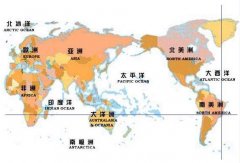
Brazil Bourbon Santos Coffee basic details Coffee General knowledge
Flavor and taste characteristics: a variety of flavors, low acidity, taste lubrication. Brazil is a rich and beautiful land, with the Atlantic Ocean in the east, more than 7400 meters of coastline and the famous Andes in the west. Brazil is also the world's largest coffee producer, known as the coffee country. Brazil is vividly compared to the giant and monarch of the coffee world. Brazilian coffee was made in 1729
Introduction of Brazilian Hilado Coffee Bean Flavor description Grinding scale treatment Manor
Brazilian coffee generally refers to coffee produced in Brazil. There are many kinds of coffee in Brazil. Like other Arabica coffee, Brazilian coffee is called Brazils to distinguish it from Milds coffee. The vast majority of Brazilian coffee is unwashed and sun-dried and is classified according to the name of the state of origin and port of transport. Brazil has 21 states and 17 states produce coffee, but four of them produce the most coffee.

What is the Brazilian Palma Cup? What kind of Brazilian Santos coffee do you have? The characteristics of Santos, Brazil?
Professional coffee knowledge exchange more coffee bean information please follow the coffee workshop (Wechat official account cafe_style) Brazilian coffee is called Brazils to distinguish it from Milds coffee. The vast majority of Brazilian coffee is unwashed and sun-dried and is classified according to the name of the state of origin and the port of transport. Brazil has 21 states and 17 states produce coffee, but four of them produce the most coffee.

Brief introduction to the treatment method of grinding degree and baking degree of Brazilian fine coffee beans with weak and clean bitterness
Product name: Brazil Yellow bourbon Brazil Chacal Estate Yellow Bourbon gauge: 227g raw bean production country: Brazil production area: Minas Minas Llicinea Manor: waterfall Manor species: yellow bourbon Grade: 2 d/300gr, 17-18 mesh height: 1200m 1380m treatment: sun baking degree: medium and deep baking there are many large farms in Brazil

Introduction of Brazilian bourbon Santos Coffee with various flavors, low acidity and lubricated taste
In Brazil, because the planting area of coffee is too large and the degree of mechanized production is relatively high, people often harvest ripe and green fruits together, and there is usually no sorting process. Sometimes coffee fruit is mixed with coffee branches and leaves. Not only that, Brazilian coffee beans are treated by sun-drying, and farmers put coffee beans of different maturity together.

What is the taste of Brazilian red bourbon coffee? a brief introduction to the characteristics of varieties and characteristics of grinding scale
Introduction to Brazilian Red Bourbon Coffee: taste, Variety characteristics, Grinding scale brief introduction to Grinding scale Brazil has many large farms and endless coffee plantations. They use machines to harvest and dry them, and they are very efficient in automation. it seems to regard coffee as a general agricultural material, completely abandoning flavor and flavor. As a result, many select coffee companies simply do not sell Brazilian beans to
Brazilian Coffee African Fine Coffee Bean Producing Countries
Although Brazil produces 30 to 35 percent of the world's coffee annually, ranking first in the world, no Brazilian bean is considered top-class coffee. Coffee trees abound in the southern regions of Brazil, but only Santos can be brought to the table; most of the other lightly processed beans are used to make instant coffee and easy-to-open coffee. Santos Coffee

Description of Brazilian Coffee Flavor with low sour taste introduction to the treatment of Grinding degree
There are many large farms in Brazil, which run endless coffee plantations. They use machines to harvest and dry them. They are so efficient in automation that they regard coffee as a general agricultural material and completely abandon the flavor and flavor. As a result, many select coffee companies simply do not sell Brazilian beans so as not to demean themselves. In select coffee shops, Santos in Brazil still appears occasionally.